-
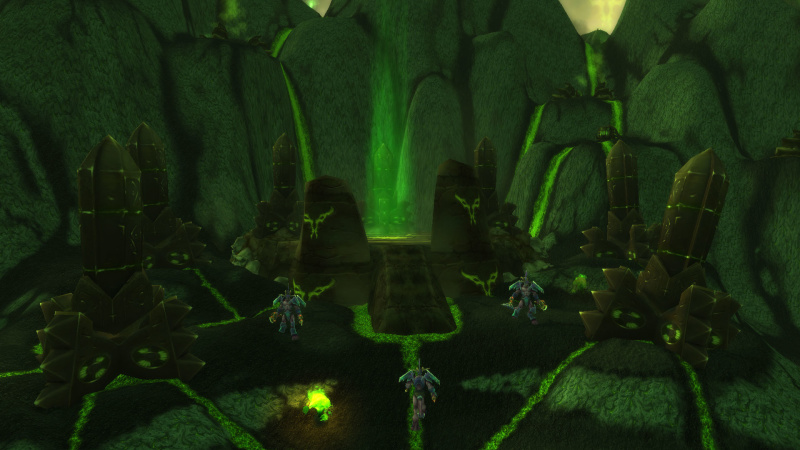
Complete Your Seasonal Collections Fast When You Choose to Buy WoW Anniversary Gold for Rare Cosmetics
The Pursuit of the Perfect Character Look In the world of Azeroth, your character’s visual identity is often just as significant as their combat power. Transmogrification allows you to express your unique style, but many of the most iconic armor sets and individual items are incredibly difficult to find. While some pieces are earned…
-
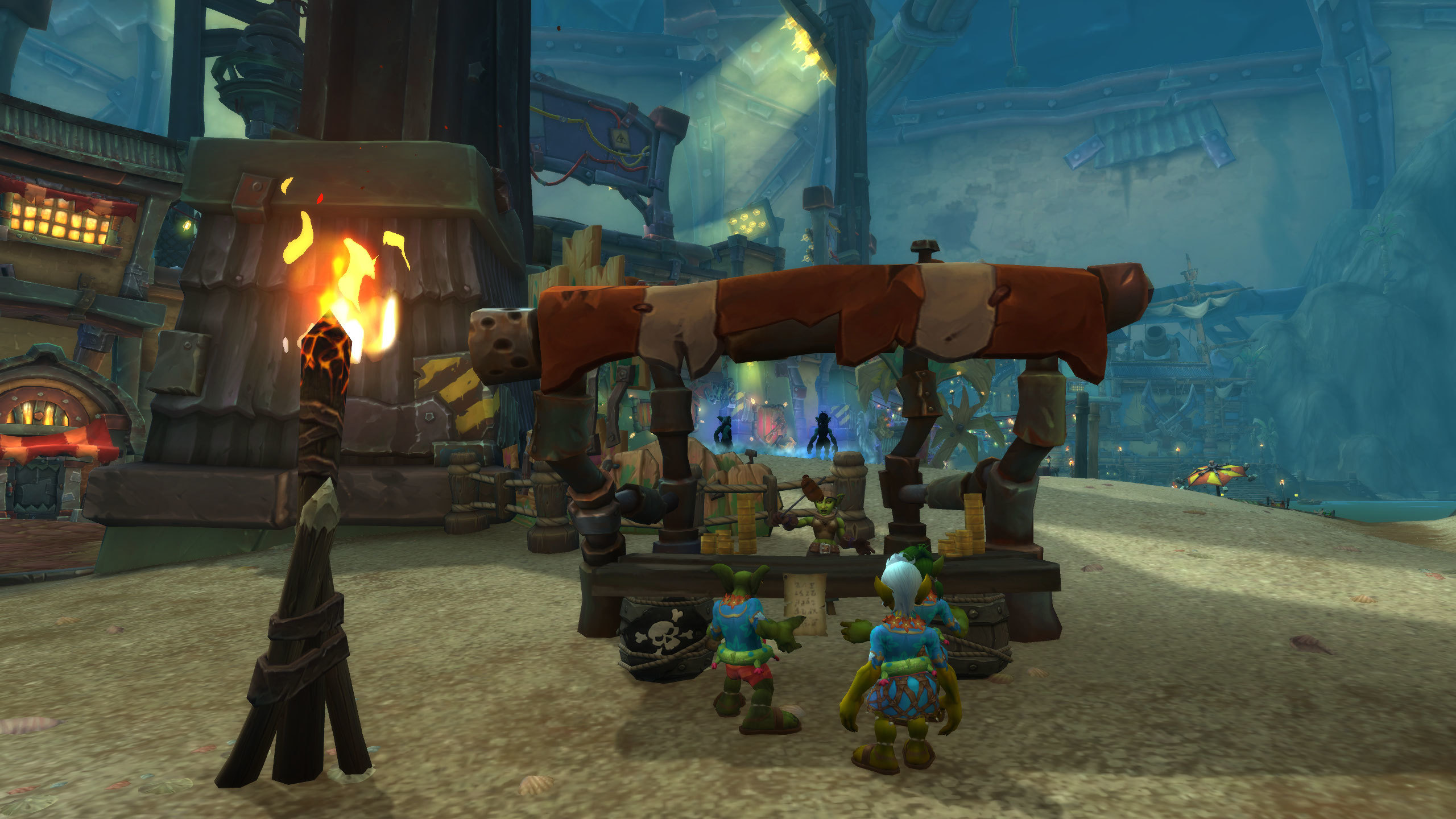
How to Find the Perfect Guild for Your Playstyle and Schedule
Finding the right guild in World of Warcraft is a crucial aspect of enhancing your gaming experience. A suitable guild not only aligns with your playstyle but also accommodates your schedule, ensuring a balanced approach to progression and social interaction. With numerous guilds available, it can be daunting to sift through the options to…
-
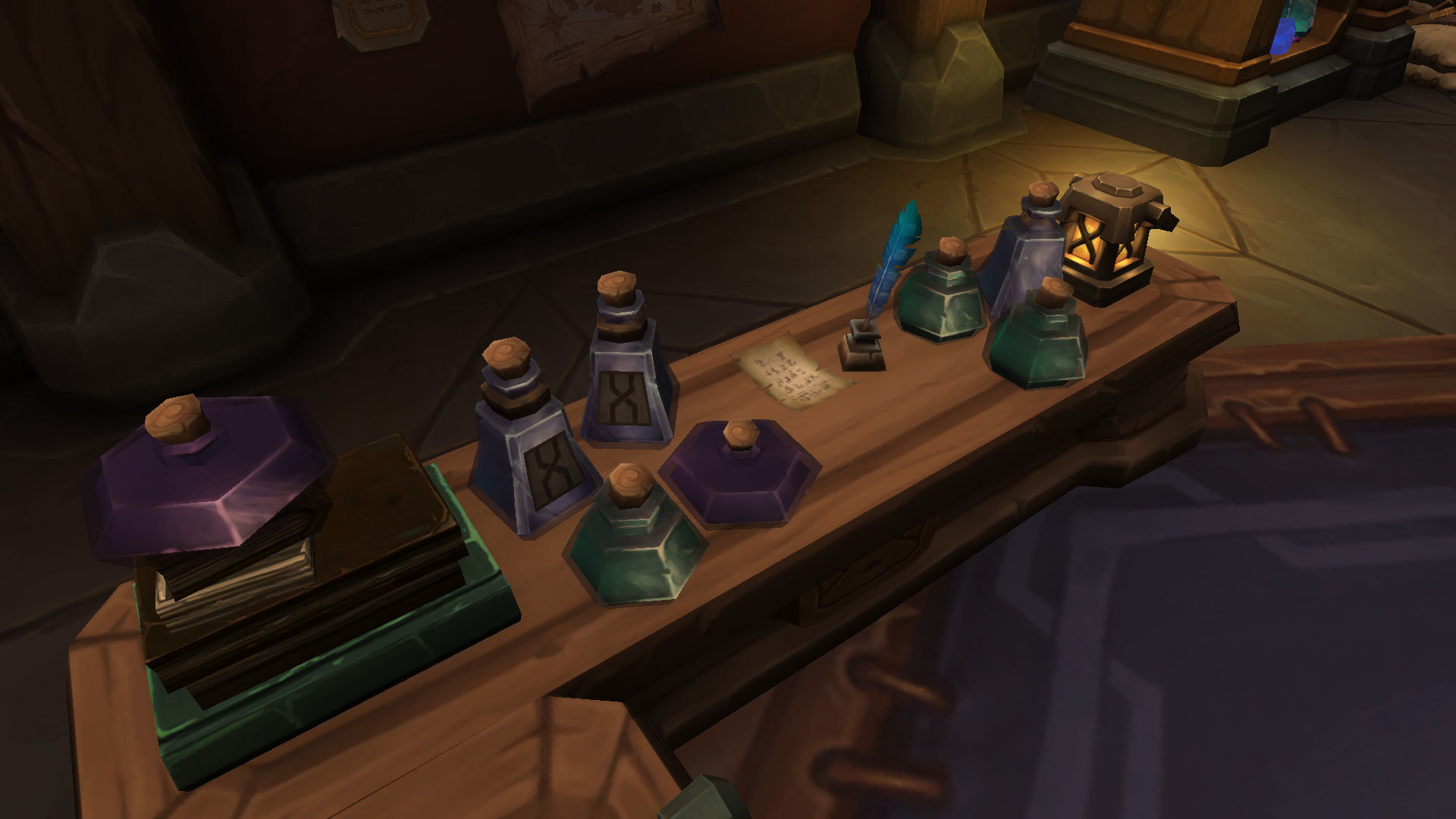
The Best Consumables, Flasks, and Potions for High-End Raiding in Mists of Pandaria
In the high-stakes environment of Mists of Pandaria raiding, every advantage counts. With challenging encounters that demand precision and coordination, the right consumables can significantly enhance your performance, whether you are tanking, healing, or dealing damage. Flasks, potions, and food buffs provide critical stat boosts and can be the difference between a successful kill…
-
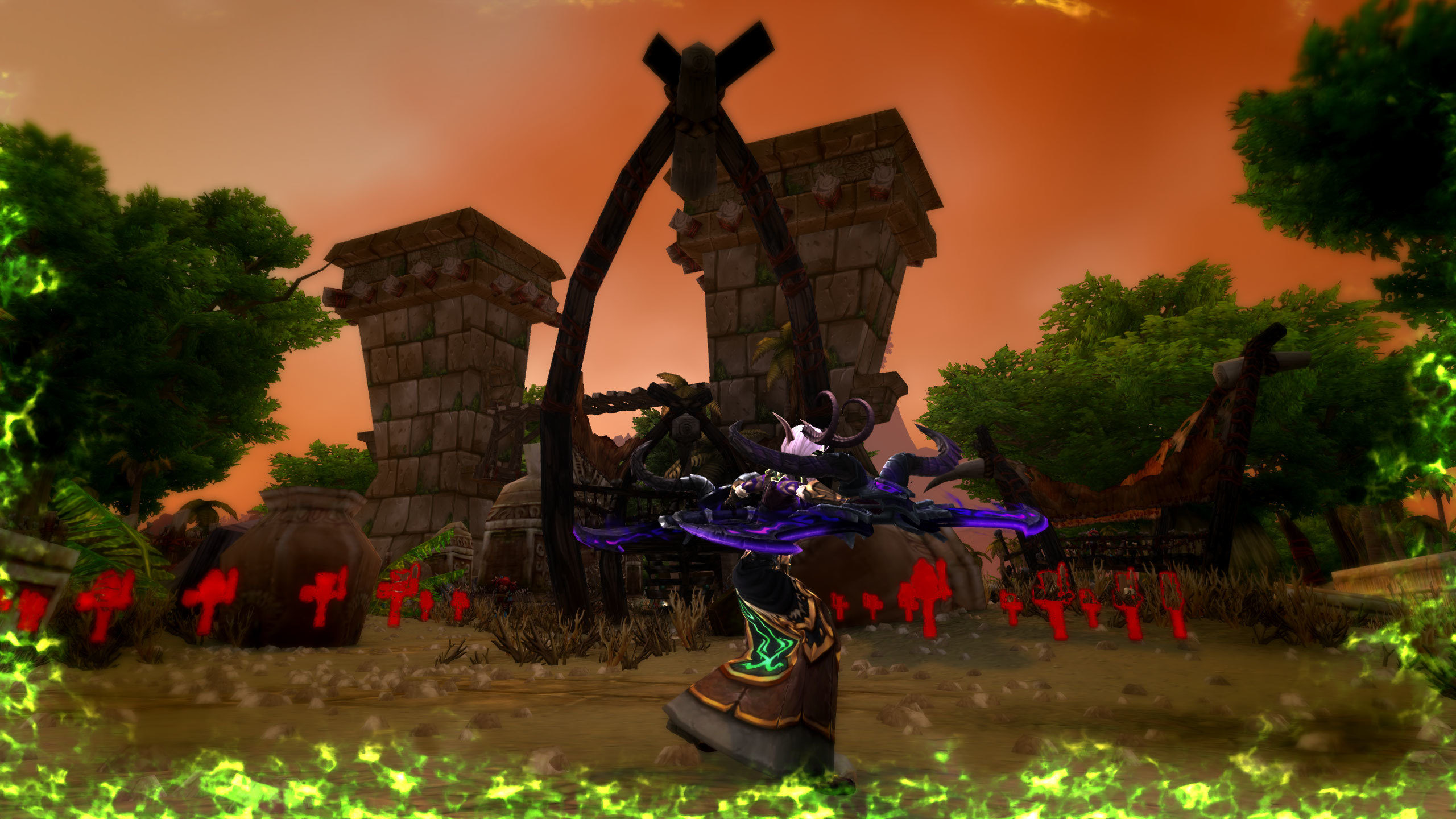
Havoc Demon Hunter: Mobility as Your Greatest Weapon
Havoc Demon Hunters are the masters of movement and burst damage. They leap across battlefields, dealing devastating damage while remaining elusive. This guide covers mobility techniques, rotation priorities, and talent optimization for maximum chaos. The Mobility Advantage Demon Hunters possess unmatched mobility among melee classes. Your toolkit includes multiple movement abilities that serve both…
-

World of Warcraft Lore Catch Up: Understand the Story Without a Wiki Spiral
Mastering the narrative landscape of World of Warcraft is a distinct cognitive progression path that allows you to contextualize your actions in Khaz Algar. For many players, the sheer volume of twenty years of storytelling leads to a deterministic state of confusion, where names like Xal’atath or Anduin feel like missing data points. For…
-
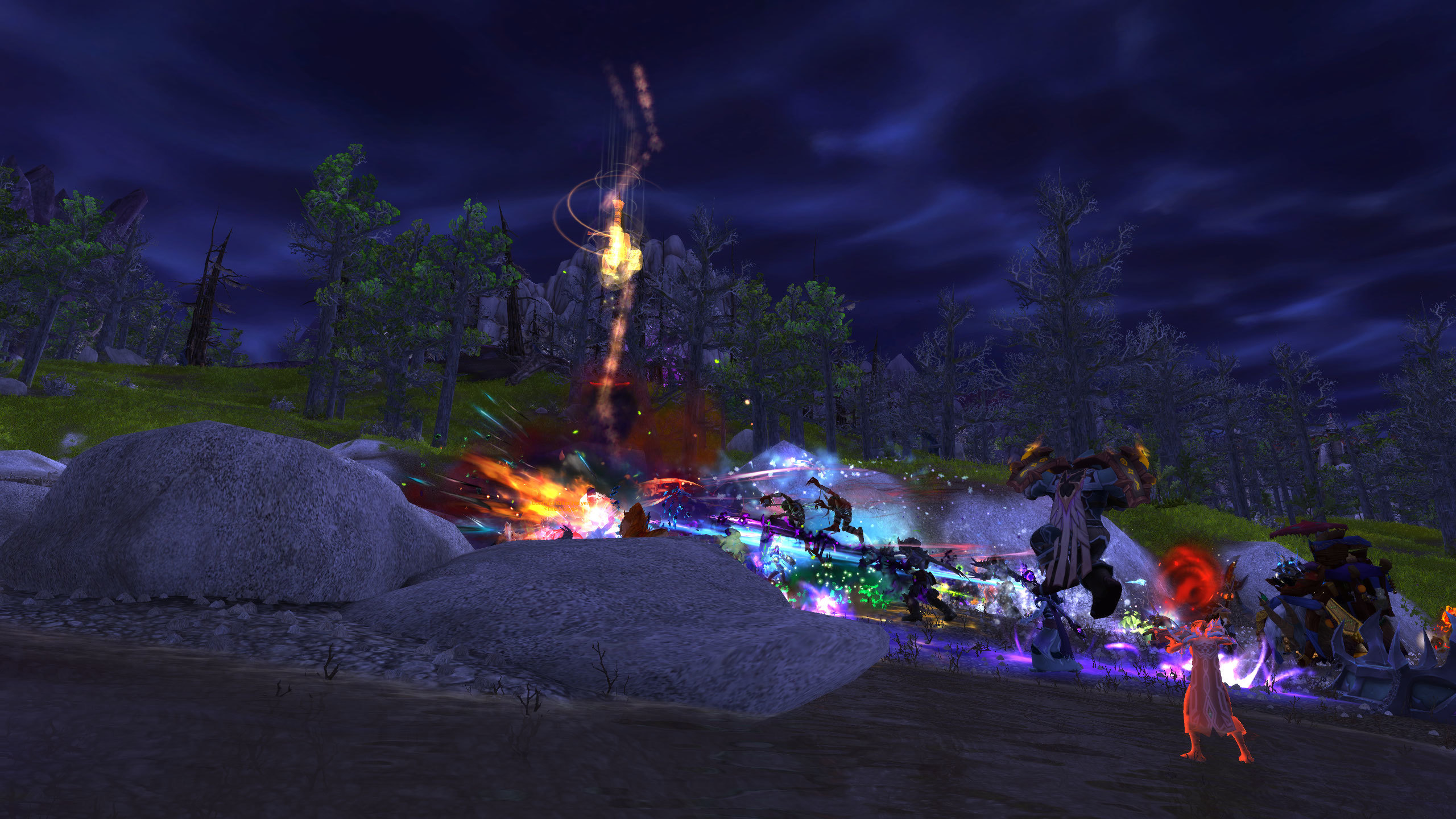
The Timeliness of Interrupts Becomes the Cast Prevention Separating Successful Stops from Full Spell Completion Damage
The core objective of an interrupt is to prevent a lethal or disruptive spell from completing its cast. The Timeliness of Interrupts is the essential **Cast Prevention** metric that measures how late a player can wait while still successfully stopping the spell. This precision separates players achieving **Successful Stops**—interrupting the cast during the final…
-
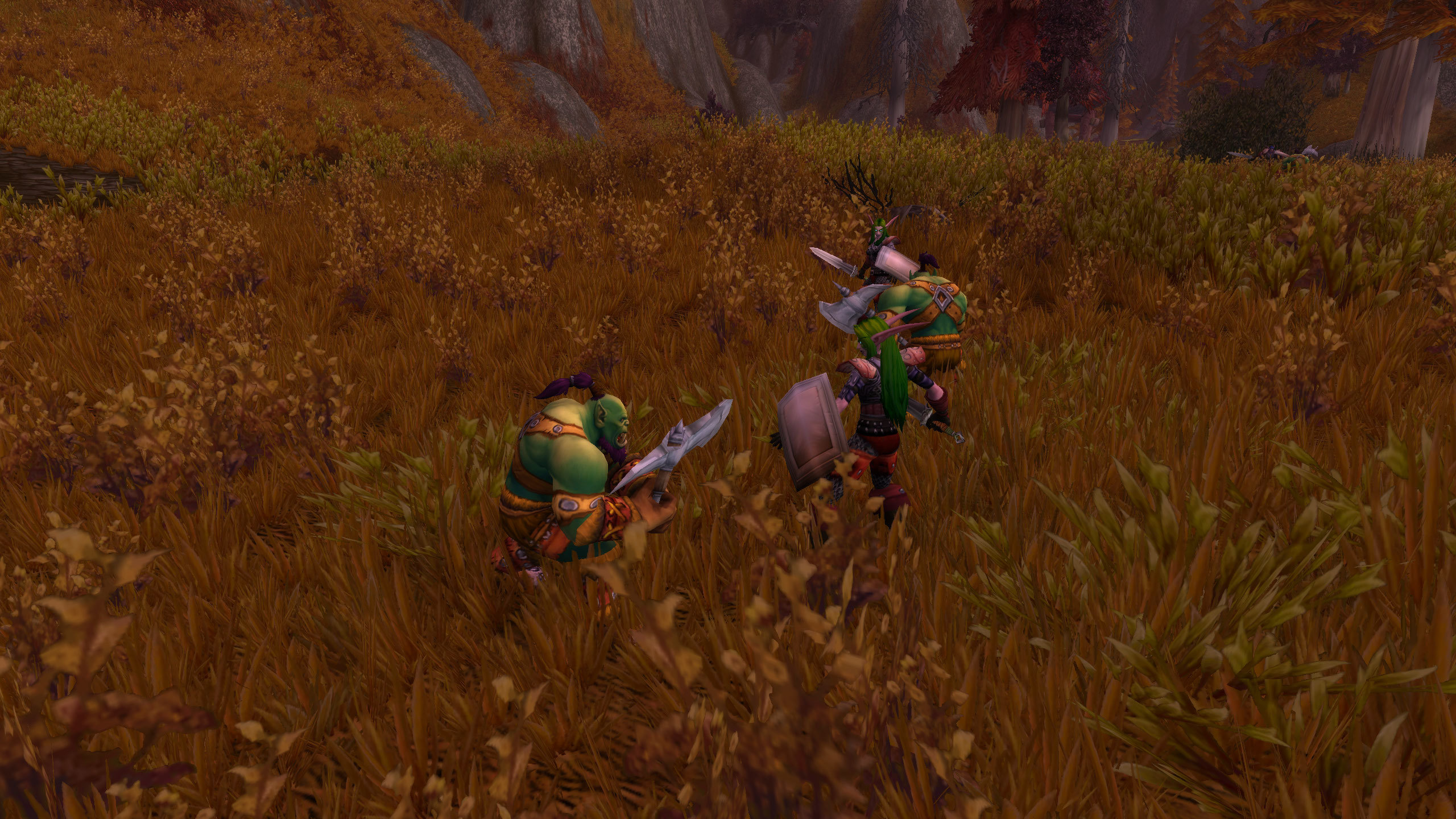
Top Reasons to Consider WoW Boosting for Mythic+ Dungeons
Why Mythic+ Dungeons Are Important Mythic+ dungeons are a key part of high-level content in World of Warcraft. They are more difficult than standard dungeons and come with additional challenges that make them unique and rewarding. Each Mythic+ dungeon has affixes that modify the behavior of enemies or the environment, increasing the difficulty and…
-

How the Earthen Rise Again: Unpacking the Earthen Race Reveal in The War Within
The expansion introduces the new allied/playable race known as the Earthen—an ancient titan-forged people of living stone who awaken into the world of Azeroth in the expansion World of Warcraft: The War Within. In a single expansion, they occupy lore space, world-space and player-choice implications all at once. They’re both a narrative force and…
-

How To Use Social Play to Divide Tasks Efficiently in Remix
Introduction. Legion Remix isn’t just about raw power — it’s about teamwork. With so many overlapping objectives, from Bronze farming to keystone runs and event participation, the most efficient players aren’t always the strongest individually but the ones who collaborate smartly. Learning how to divide tasks and use social play effectively can multiply your…
-
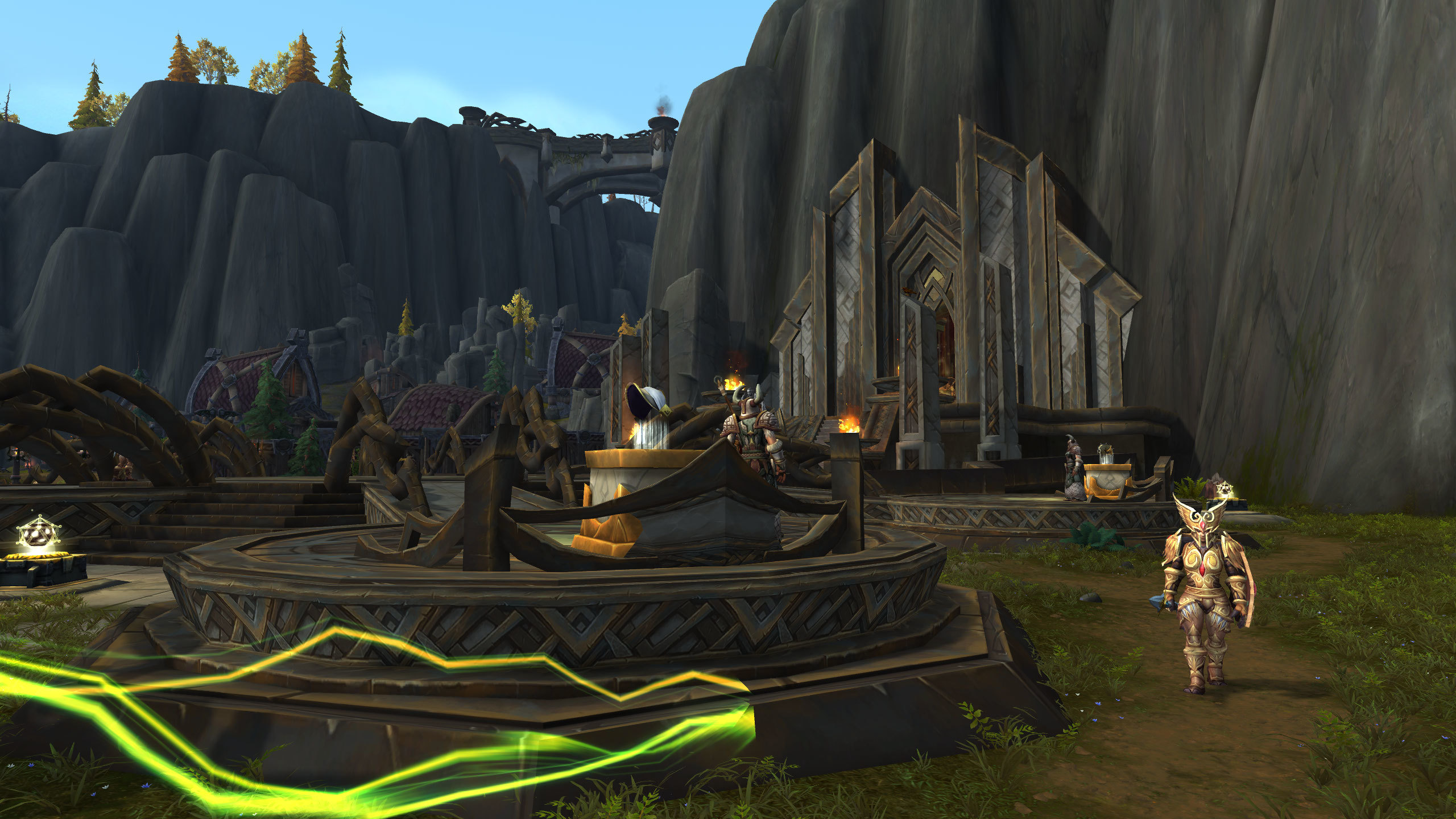
Farming Old Transmogs Inside Legion Remix Without Losing Progress
Introduction. Legion Remix gives players a chance to relive one of the most stylish eras of Warcraft — and that means transmog farming is back in full swing. However, because Remix introduces new systems like Bronze, Infinite Power, and unique loot scaling, many players worry that farming old appearances might disrupt their character’s progression.…
-
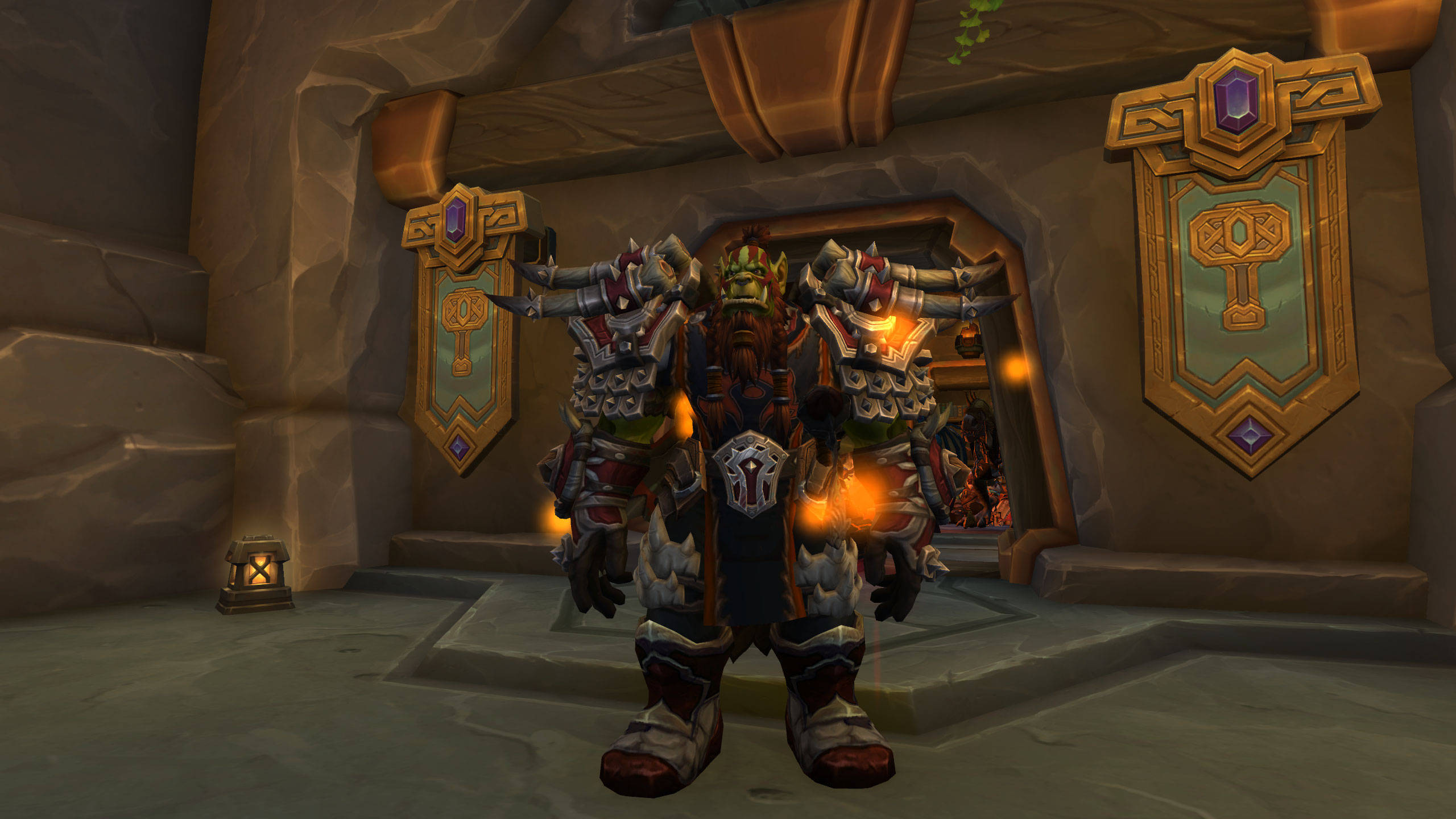
Get Rare Mounts and Titles via WoW Carry Runs
Introduction Rare mounts and titles add a unique flair to your character, showcasing dedication and skill that few players achieve. If you’ve spent hours hunting for a hard-to-find drop or pushing your rating to claim a prestigious title, you know how much time and effort goes into these rewards. WoW Carry runs offer a…
-
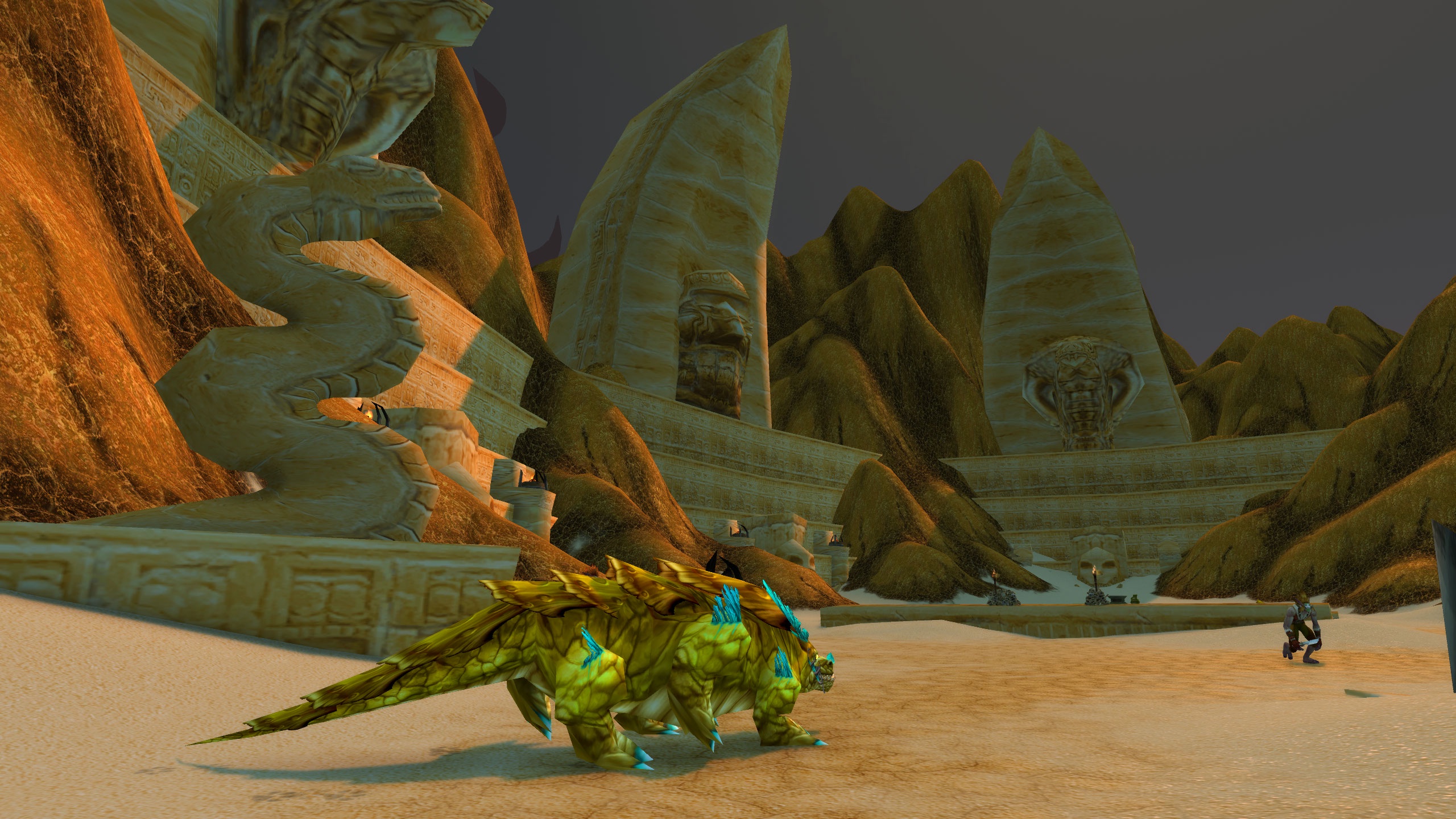
Classic WoW vs. Retail: Why Some Players Refuse to Move On
The debate between Classic WoW and Retail has been ongoing since Blizzard re-released the original game. While Retail offers a polished, fast-paced experience with frequent updates, Classic retains a sense of adventure and community that many players refuse to leave behind. But what exactly makes Classic so appealing to some, while Retail remains dominant…

GameInJapanese: Where WoW Fans Learn Japanese
My Partners
Duolingo
Razer
Gengo
Crunchyroll
Tokyo Otaku Mode
Jumpstart Your Blacksmithing Empire with Buy WoW Classic Gold
Introduction
Blacksmithing in WoW Classic can be a major source of gold, crafting power tools, armor kits, and weapons that players need for leveling, dungeons, and raids. Yet reaching high skill ranks—like Artisan (225–300) and Master (300–350)—requires rare materials and key patterns that can take hours or days to farm. Buying WoW Classic Gold gives you the means to skip these roadblocks, letting you focus on crafting and selling rather than gathering. With extra gold, you can purchase stacks of ore, secure vendor patterns, and invest in the anvil and forge fees that unlock new recipes. This jumpstarts your blacksmithing empire, turning a slow grind into a streamlined business where your time goes into making high‑margin items instead of chasing spawn rates or vendor stock resets.
Having a solid gold reserve also lets you weather market swings. Ore prices fluctuate with server activity—mining camps fill up, nodes respawn slowly, and gatherers compete. When node runs yield low returns, you can buy ore instead of spending hours in contested zones. Similarly, rare patterns for weapons or armor kits often sell out quickly; with gold on hand, you buy them as soon as they appear, giving you first‑mover advantage. By cutting out the most time‑consuming steps, you shift from a novice blacksmith struggling for materials to a savvy entrepreneur who keeps a constant flow of crafts to sell. This guide shows how to use bought gold effectively so your blacksmithing skill climbs fast and your bank balance grows steadily.
Setting Up Your Workshop
Before you can churn out gear at scale, you need a reliable workspace and the right ranks. Every blacksmith visits the anvil and forge, with location fees varying by city—Stormwind, Ironforge, Orgrimmar, and Undercity each charge vendor housing taxes for your anvil. Early on, you hit Apprentice (1–75) and Journeyman (75–150) ranks with vendor‑sold patterns, but reaching Expert (150–225) and Artisan (225–300) often requires rare patterns that drop from dungeons or cost 1–3 gold each on the Auction House. Buying gold allows you to grab these patterns immediately after you hit each rank cap. You avoid lengthy boss farm runs or pattern hunts, and you move straight to crafting high‑value items.
As you progress, you’ll pay training fees at each rank—rising from a few silver at low levels to 2–3 gold at max level. Keeping a “training fund” of around 5–10 gold lets you learn new ranks the moment you hit them, so you never fight with outdated abilities or recipes. If you wait to farm fees, you stall your skill gains and delay access to better items. With bought gold, you cover training instantly and build a steady crafting pace. By setting up your forge and anvil, securing rare patterns, and covering fees with a gold reserve, you lay a strong foundation for your blacksmithing empire.
Material Sourcing Strategies
Material costs make up most of your blacksmithing expenses. Bronze, Iron, Mithril, Thorium, and Truesilver Ore drive early to mid‑game crafts, while high‑end recipes require dense Stone and Black Grasping Root patterns or even Arcane Crystal and Black Lotus for weapon enchants. Deciding when to buy ore versus farm it yourself hinges on gold‑per‑hour rates. If you mine 2 gold per hour at Blackrock Depths, but a stack of 20 Thorium Ore costs only 1.5 gold on your server, buying becomes the clear choice. That hour saved lets you craft and sell more items, multiplying your returns.
To manage material sourcing, keep a tiered buy plan:
- Levels 1–150: Buy the last 20% of required ore to cap each 25‑point carve.
- Levels 150–225: Purchase 50–60% of heavy ores (Mithril, Steel) when prices dip.
- Levels 225–300: Stock 70–80% of high‑end Thorium and Truesilver.
- Levels 300–350: Stock Arcane Crystals and Black Lotus for epic patterns.
Set aside a “material fund” of 20–30% of your total gold for these buys. Monitor Auction House trends daily—prices often fall 10–20% after server resets or during off‑peak hours. Use buy‑orders when possible to automatically snatch underpriced stacks. By blending selective farming with smart bulk purchases, you keep your crafting line moving without stalls, ensuring you always have materials on hand to fulfill orders and expand your blacksmithing empire.
Buying Key Patterns and Recipes
Securing the right patterns propels your blacksmithing from basic bars to high‑value items. Early patterns—like Rough Bronze Bracers or Silvered Bronze Breastplate—unlock at vendor prices under 1 gold, but the jump to expert and artisan requires rare recipes. Look for Golden Scale Coif (Expert, ~2 g), Steel Plate Helm (Artisan, ~3 g), and Imperial Plate Chest (Master, ~5 g) on the Auction House. These recipes often sell out quickly because they unlock pieces that sell for double or triple their material cost. With bought gold, you buy these patterns as soon as you hit the required skill level, skipping the hours you’d spend farming dungeon bosses for pattern drops.
Beyond vendor patterns, invest in expansions—like Thorium Armor patterns or Flamebane Bracers—that unlock high‑margin gear. Each pattern costs 5–10 gold but lets you craft items in demand for raid groups and PvP teams. If a vendor pattern appears in a limited stock (e.g., Mithril Spurs), buy it immediately rather than hoping it returns on a weekly reset. Maintain a “pattern watch” list: note the pattern name, required skill level, and max price you’re willing to pay. Check the Auction House daily, especially after server resets, and use buy‑orders to secure patterns under your threshold. By locking in key recipes early, you position your blacksmithing shop to produce sought‑after items that keep customers—and profits—flowing.
Crafting High‑Margin Items
Once you have patterns and materials, focus on items with the highest profit margin. Weapons like Deadly Bronze Poniard and Huge Thorium Battleaxe often sell for twice the combined cost of their ore and crafting fees. Armor kits—such as Rough Bronze Leggings or Radiant Breastplate—allow other crafters to upgrade their gear and move quickly through content. Below is a table of top high‑margin crafts:
| Item | Material Cost (g) | Sale Price (g) | Estimated Profit (g) |
|---|---|---|---|
| Deadly Bronze Poniard | 1.2 | 3.0 | 1.8 |
| Huge Thorium Battleaxe | 8.5 | 14.0 | 5.5 |
| Radiant Breastplate | 5.0 | 10.0 | 5.0 |
| Imperial Plate Belt | 4.5 | 9.0 | 4.5 |
| Steel Plate Helm | 3.0 | 6.0 | 3.0 |
| Mithril Shield Spike | 2.5 | 5.0 | 2.5 |
To maximize profit:
- Batch Craft: Produce items in stacks of 5–10 to cut per‑unit costs.
- Time Your Listings: Post high‑margin goods just before peak raid times (evenings and weekends).
- Use Bundle Deals: Offer 5 weapons at a slight discount to clear inventory faster.
- Rotate Products: Keep a mix of low‑, mid‑, and high‑margin items to appeal to all buyers.
By targeting these high‑margin crafts, you ensure each round of materials you buy with gold turns into profits that exceed your initial spend, fueling further growth of your blacksmithing empire.
Auction House Sales and Add‑On Use
Efficient Auction House operations turn crafted goods into gold without wasted time. Use add‑ons like TradeSkillMaster (TSM) to set up automated buy and sell operations. For materials, create “Buy” operations that purchase ore stacks at 10–20% below market average. For crafted items, set “Sell” operations that list items at a target price—say 5–10% above material cost to guarantee profit. Key steps include:
- Scan Daily: Run a TSM scan at daily reset to update price data.
- Set Buy‑Orders: Place buy‑orders for ore and patterns at your max price to auto‑snatch deals.
- Post Crafts Automatically: Use TSM to post stacks of crafted items with undercut settings (1–2% below lowest competitor).
- Adjust Prices: If sales stall, lower your price gradually; if items sell out fast, raise your threshold.
- Track Sales: Review TSM’s sales log to see which items move fastest and yield the highest margins.
In addition to TSM, use Auctioneer or AuctionLite for quick on‑hover price checks while crafting. Keep a supplies tab in your bank for ready materials and crafted goods to avoid interrupted crafting sessions. By automating your Auction House tasks, you spend more time crafting and less time manually listing and relisting, ensuring your blacksmithing shop remains nimble and profitable.
Maintaining Your Edge
Markets shift, and new recipes or competition can undercut your sales. To stay on top, monitor price trends weekly and adjust your production mix. Use your pattern and sales logs to identify items whose profit margins shrink—perhaps due to increased supplier activity or crafting oversaturation. When that happens, scale back production and redirect funds to more profitable patterns or emerging demand areas, like PvP weapon kits when a new battleground season starts.
Keep an eye on vendor‑only patterns that reset on weekly timers—like Green Iron Gauntlets or Rough Bronze Boots—and buy them immediately if they sell out. Watch for updates in patch notes that add new blacksmith recipes, adjusting your pattern watch list accordingly. If a patch introduces a new raid tier, farm or buy materials for corresponding armor kits and weapons before demand spikes, then ramp up production once the content goes live.
Finally, network with other crafters and guilds. Joining a blacksmithing or trade Discord channel often gives you first notice of pattern restocks, material dumps, or group crafting orders. Bulk‑supply deals with guild mates can secure materials at lower rates, while coordinated pattern buys spread costs. Maintaining your edge means combining market awareness, data‑driven adjustments, and community cooperation to keep your blacksmithing empire turning gold into more gold.
Conclusion
Jumpstarting your blacksmithing empire with bought WoW Classic Gold cuts through the slow gear grind and material hunts that stall many crafters. By setting up your workshop—covering anvil fees, training costs, and key patterns—you lay a strong foundation. Smart material sourcing, bulk pattern buys, and crafting high‑margin items then turn that foundation into steady profits. Automated Auction House operations and clear profit‑reinvestment splits keep your gold flowing and your stock fresh. Seasonal and raid‑prep opportunities deliver rapid returns when demand peaks, while ongoing market monitoring and guild partnerships ensure you adapt to shifts and stay profitable.
Use these steps—buy, craft, sell, reinvest—to build a self‑sustaining blacksmithing business that grows from novice ranks to market leader. With bought gold as your seed investment, you accelerate your skill gains, maximize profits, and master both your hammer and your market strategy. Your forge awaits: it’s time to hammer out your path to wealth in WoW Classic.